
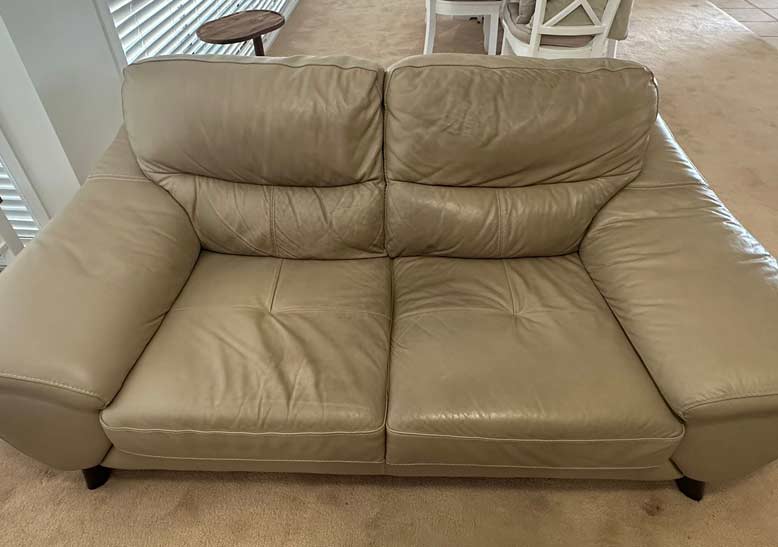
A leather couch is often the centrepiece of a living room. It is where you relax after work, where the family gathers, and where guests sit when they visit. Leather offers a timeless look that can last for decades, but only if you look after it properly.
One of the most common questions Australian homeowners ask is how often to clean a leather couch. The answer is not a single number. It depends on how you live, who lives with you, and the environment your couch sits in.
This guide covers everything you need to know. You will learn the general recommendations, how your household changes the schedule, and the signs that your couch needs attention. No jargon, just practical advice to keep your leather looking its best.
General Recommendation
As a starting point, most leather couches benefit from a professional clean every 12 to 18 months. This timeframe keeps the leather in good condition without over-cleaning, which can strip natural oils.
Professional cleaning goes beyond what you can do at home. Technicians use specialised products that remove deep dirt, body oils, and grime without damaging the leather finish. They can also spot early signs of wear and recommend adjustments to your routine.
If you maintain your couch well at home (dusting, vacuuming, and wiping spills promptly), a professional clean every 18 months may be enough. If your couch sees heavy use, you may need to bring that forward to every 12 months.
By Household Type
Your household composition is the biggest factor in determining cleaning frequency. Here is how different living situations affect your leather couch.
Singles and Couples Without Pets
If you live alone or with a partner and do not have pets, your leather couch stays cleaner for longer. Without children or animals bringing in dirt, oils, and spills, the leather faces fewer contaminants.
For this group, professional cleaning every 18 to 24 months is usually sufficient. Your main tasks at home will be dusting and occasional vacuuming. The natural oils from your skin will still transfer to the leather over time, especially on armrests and headrests. This is normal and manageable.
Families With Children
Children change everything when it comes to furniture care. Crumbs, spills, sticky fingers, and general household activity all take a toll on leather.
If you have children, aim for a professional clean every 12 months. You may need to go to every 9 months if your children are young and spend a lot of time on the couch.
Daily maintenance matters more in a family home. Wipe spills immediately, vacuum weekly, and consider using a leather-safe protectant. Teach children to avoid eating on the couch and to wash their hands before sitting down.
Pet Owners
Pets and leather can coexist, but it takes some effort. Dogs and cats bring in dirt, mud, and oils from their fur. They also shed hair that works its way into the seams.
If you have a pet, plan for a professional clean every 6 to 12 months. The exact interval depends on how much time your pet spends on the couch and whether they go outdoors.
Regular vacuuming is essential. Use a soft brush attachment to remove pet hair and dander. Keep your pet's nails trimmed to reduce scratches. A throw blanket on your pet's favourite spot can also help.
Allergy Sufferers
Leather is more resistant to allergens than fabric upholstery, but it is not immune. Dust, dust mites, pet dander, and pollen can still accumulate on the surface and in the crevices.
If anyone in your home has allergies, consider professional cleaning every 6 to 12 months. This reduces the allergen load in your living environment and can help improve symptoms.
At home, vacuum weekly with a HEPA-filter vacuum and a soft brush attachment. Dust the surface with a microfiber cloth.
By Usage Level
Everyday Use (Main Couch)
Your main living room couch sees the most action. For a couch in daily use, professional cleaning every 12 months is a good target. Body oils, sweat, dust, and general wear build up faster with heavy use.
Spot cleaning between professional visits will help. Wipe spills immediately and address visible marks as soon as you notice them.
Occasional Use (Formal Lounge)
If your leather couch is in a formal lounge or guest room and sees light use, you can stretch the cleaning interval.
For occasional use, professional cleaning every 24 to 36 months is often enough. The leather simply does not face the same level of contamination.
Even an unused couch needs basic care. Dust still settles, and the leather can dry out over time. Dust regularly and condition every 12 to 18 months.
Factors That Affect Frequency
Household Size
More people means more body oils, sweat, and dirt. A household of four needs more frequent cleaning than a household of one. Lean toward the shorter end of the recommended intervals if your home is busy.
Sun Exposure
Direct sunlight is one of the biggest enemies of leather. UV rays cause fading, drying, and cracking. If your couch sits near a window that gets direct sun, use curtains or blinds during peak hours. You may also need to condition more frequently.
Climate
Australia's climate varies dramatically. In humid areas like Brisbane or Darwin, leather can absorb moisture, leading to stickiness and potential mould growth. Regular cleaning is important in these environments.
In dry climates like Adelaide or inland areas, leather can dry out and crack more easily. Conditioning becomes more important to maintain flexibility.
Leather Type
Aniline leather is the most natural and absorbent. It shows dirt and stains more easily and requires more careful maintenance. Semi-aniline and pigmented leather have protective coatings that make them more resistant to stains.
If you have aniline leather, you may need to clean more frequently. Pigmented leather is more forgiving and can go longer between professional cleans.
Colour
Light coloured leather shows dirt, stains, and wear more quickly than dark leather. A cream or white couch may need cleaning every 6 to 12 months to keep it looking fresh. Dark leather hides dirt better but still accumulates oils and grime over time.
Signs Your Leather Couch Needs Cleaning
Visible Dirt or Stains
If you can see dirt, marks, or stains, it is time to clean. Do not wait for the scheduled interval.
Shiny Patches
Body oils build up on armrests, headrests, and seat cushions, creating shiny patches. A professional clean removes these oils and restores the original matte finish.
Musty Smell
A musty or unpleasant odour means dirt, moisture, or mildew is trapped in the leather or padding. Professional attention is needed.
Colour Dulling
Leather that has lost its richness and looks dull likely has a layer of grime on the surface. A professional clean will restore the colour and depth.
Sticky Surface
If the leather feels tacky, it has absorbed body oils, product residue, or environmental pollutants. This should be addressed promptly.
Seasonal Considerations in Australia
Summer
Summer heat and humidity lead to increased sweating. Body oils and sweat transfer to the leather more readily. Wipe down the surface more frequently during hot months with a dry or slightly damp microfiber cloth.
Winter
Winter means running heaters, which creates dry indoor air. This can cause leather to lose moisture and become brittle. Conditioning is especially important going into winter.
Spring
Spring brings dust from pollen and seasonal winds. Increase your dusting frequency during spring to prevent dust from building up and abrading the leather.
Daily and Weekly Maintenance
Daily Care
Wipe spills immediately. Leather is porous and absorbs liquids if given the chance. Blot (do not rub) spills with a soft, dry cloth. For sticky spills, use a slightly damp cloth and then dry thoroughly.
Keep your couch away from direct heat sources like radiators and air conditioning vents.
Weekly Care
Dust your leather couch weekly with a soft microfiber cloth. Vacuum with a soft brush attachment to remove debris from crevices, seams, and under cushions. For homes with pets or children, vacuuming twice a week is a good idea.
Monthly Care
Once a month, give your couch a more thorough wipe down with a clean, damp cloth. Follow immediately with a dry cloth. Check for any signs of wear, loose stitching, or damage. Catching problems early makes them easier to fix.
Conditioning Schedule
How Often to Condition
Most leather couches benefit from conditioning every 6 to 12 months. Conditioning restores the natural oils that keep leather soft and flexible.
If you live in a dry climate or your couch is exposed to air conditioning or heating, condition more frequently. If the leather feels stiff or looks dry, it is time to condition regardless of the calendar.
Why Conditioning Matters
Leather is a natural material. It contains oils that give it flexibility and resilience. Over time, these oils evaporate. Without conditioning, the leather becomes dry, stiff, and prone to cracking.
Conditioned leather looks richer, feels softer, and resists stains better than dry, neglected leather.
How to Condition
Always use a conditioner formulated for your type of leather. Apply it with a soft cloth in a thin, even layer. Allow it to absorb, then buff off any excess with a clean cloth. Do not over-condition. Once or twice a year is plenty.
Frequently Asked Questions
Can I clean my leather couch with soap and water?
Avoid household soaps and detergents. They strip natural oils and can damage the finish. Use products specifically designed for leather cleaning.
Is it safe to use baby wipes on leather?
Baby wipes often contain alcohols and chemicals that dry out leather over time. Stick to leather care products or a slightly damp microfiber cloth.
How do I remove mould from a leather couch?
Mould requires professional attention. Do not try to scrub it yourself, as you can spread the spores and damage the leather. A professional cleaner has the right products to handle mould safely.
Does leather need to be waterproofed?
Leather is not waterproof. Focus on cleaning spills immediately rather than using waterproofing products.
How long does a leather couch last?
With proper care, a quality leather couch can last 15 to 25 years or more. Regular cleaning and conditioning are the keys to reaching that lifespan.
Can I use vinegar to clean leather?
No. Vinegar is acidic and can damage the leather finish. Use products made for leather care.
Should I rotate my leather couch cushions?
Yes. Rotating and flipping cushions (if removable) every few months helps distribute wear evenly.
What is the difference between cleaning and conditioning?
Cleaning removes dirt, oils, and grime. Conditioning adds moisture and oils back into the leather to keep it soft and prevent cracking. Both are important, but they serve different purposes.
Final Call to Action
Your leather couch is an investment worth protecting. A regular cleaning schedule keeps it looking beautiful and extends its life for years. If you are unsure what your couch needs or it has been a while since the last professional clean, contact your local leather cleaning specialist for advice. A quick consultation can save you from costly repairs down the track.