
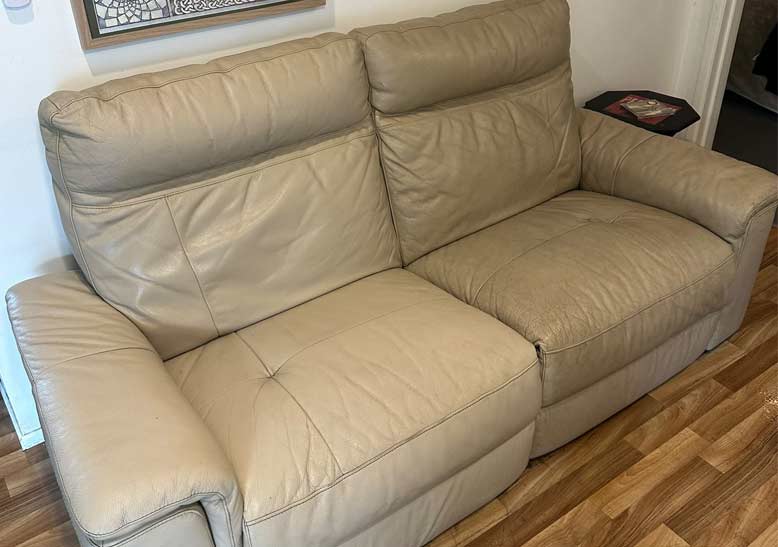
A leather couch is often one of the most expensive pieces of furniture in an Australian home. It adds warmth, style, and comfort to a living room, home office, or media room. But leather is not invincible. Over time, it collects dirt, absorbs body oils, and loses its original finish. Many homeowners assume leather stays clean because it does not show dust the way fabric does. In reality, leather needs regular care and occasional professional cleaning to keep it looking its best.
This guide covers everything you need to know about professional leather couch cleaning in Australia. You will learn about the different types of leather, how finishes affect cleaning, what professional methods actually involve, and how to keep your leather couch clean after a professional service. Whether you have a new leather sofa or one that has been in the family for years, this guide will help you make informed decisions about its care.
Types of Leather Used in Australian Furniture
Not all leather is the same. The type of leather on your couch determines how it should be cleaned and maintained. Using the wrong product or method can cause permanent damage. Here are the most common types of leather found in Australian furniture.
Full Grain Leather
Full grain leather is the highest quality leather available. It uses the top layer of the hide, including all of the natural grain. This type of leather retains the original texture, markings, and characteristics of the animal hide. Full grain leather is strong, breathable, and develops a natural patina over time. It is the most durable type of leather, but it is also the most expensive. In Australia, full grain leather is often found in high-end European and Australian-made furniture.
Full grain leather requires gentle cleaning. Harsh chemicals can strip the natural oils and cause cracking. Conditioning is important to maintain its flexibility.
Top Grain Leather
Top grain leather is the second-highest quality. The top layer of the hide is sanded slightly to remove imperfections, then stamped with an artificial grain. This process makes the surface more uniform. Top grain leather is still durable and high quality, but it lacks the natural character of full grain.
Top grain leather is more resistant to stains than full grain because of the finishing applied during manufacturing. It can handle mild cleaning products, but professional care is still recommended for deep cleaning.
Corrected Grain Leather
Corrected grain leather undergoes significant sanding and buffing to remove natural markings. An artificial grain is then embossed into the surface. This type of leather is more affordable and more uniform in appearance. It is also more stain-resistant because of the protective coating applied on top.
Corrected grain leather is common in mid-range furniture sold in Australia. It can tolerate more robust cleaning methods, but the protective coating can wear down over time.
Bonded Leather
Bonded leather is not real leather in the traditional sense. It is made from leather scraps and fibres that are ground up, mixed with polyurethane or latex, and bonded together with adhesives. The surface is then embossed to look like leather.
Bonded leather is the least durable type of leather. It peels and cracks easily, especially in Australia's hot climate. Professional cleaning of bonded leather requires extra care because the surface layer is thin and can be damaged by moisture or agitation.
PU Leather
PU leather (polyurethane leather) is a synthetic material designed to look like real leather. It consists of a fabric base coated with a polyurethane layer. It is widely used in budget-friendly furniture.
PU leather does not absorb moisture the way real leather does. Cleaning typically involves wiping with a damp cloth. Professional cleaning is usually not necessary, but if attempted, only very mild products should be used.
Faux Leather
Faux leather is another synthetic option. It is made from various plastics and fabrics to mimic the appearance of leather. Like PU leather, it requires minimal maintenance and is not suitable for professional leather cleaning treatments that are designed for real hides.
Understanding your leather type is the first step. If you are unsure what type of leather your couch is made from, check the manufacturer's tag or ask the retailer. A professional leather couch cleaning service in Australia can also identify your leather type during an inspection.
Leather Finishes Explained
The finish applied to leather affects both its appearance and how it responds to cleaning. Two couches made from the same type of leather can require completely different care if their finishes are different.
Aniline Finish
Aniline leather is dyed with soluble dyes that penetrate the hide without covering the natural surface. The leather retains its natural markings, pores, and texture. No protective top coat is applied. This gives aniline leather a soft, luxurious feel and a natural look.
Aniline leather is the most delicate finish. It stains easily and is sensitive to light, body oils, and moisture. Cleaning aniline leather requires specialist knowledge. Standard cleaning products can ruin the finish. Professional leather couch cleaning for aniline leather typically uses very mild pH-balanced cleaners and minimal agitation.
Semi-Aniline Finish
Semi-aniline leather is treated with a light protective coating on top of the dye. It retains much of the natural character of aniline leather but has added stain resistance. This finish is a popular choice for Australian households because it balances beauty with practicality.
Semi-aniline leather can handle gentle cleaning. It responds well to professional cleaning methods, but the protective coating should not be stripped with harsh products.
Pigmented Finish
Pigmented leather has a layer of pigment (colour) applied to the surface, followed by a protective top coat. This finish is the most durable and stain-resistant. It is commonly used on furniture that gets heavy use, including family room sofas and office chairs.
Pigmented leather is the easiest to clean. It can tolerate more aggressive cleaning techniques and products. Most professional leather cleaning services in Australia work on pigmented leather as standard.
Protected Leather
Protected leather (also called finished leather) has a strong polymer top coat that resists stains, spills, and fading. It is the most common finish on leather furniture sold in Australia. Protected leather is durable and easy to maintain, but it does not have the breathability or natural feel of aniline finishes.
Protected leather is well-suited to professional cleaning. The protective coating can be refreshed after cleaning to extend the life of the couch.
Why Leather Gets Dirty
Leather may not trap dust the way fabric does, but it still accumulates dirt and contaminants over time. Understanding what causes leather to become dirty helps you prevent damage and know when cleaning is needed.
Body Oils
Every time someone sits on a leather couch, natural oils from the skin transfer onto the surface. Over months and years, these oils build up. They attract dust and cause the leather to darken in areas where people sit most often. This is why headrests, armrests, and seat cushions often show the most wear.
Dust and Airborne Particles
Dust settles on leather just as it does on any other surface. Because leather is smooth, dust can be wiped away easily. But if dust is left for long periods, it can mix with body oils and humidity to form a grimy layer that dulls the finish.
Food and Drink Spills
Spills happen. Coffee, wine, soft drink, and food crumbs can leave marks on leather. Even if wiped up quickly, some residue can remain. Sugary and acidic spills are particularly harmful because they can break down the leather finish over time.
Pet Oils and Dander
Australian households love their pets, and pets love leather couches. Pet oils from fur and paws transfer onto the leather. Pet dander can settle into creases and seams. Claws can also scratch the surface, although this is a physical damage issue rather than a cleaning issue.
Sun Exposure
Australia has some of the harshest UV conditions in the world. Direct sunlight can fade leather, dry it out, and cause cracking. Even indirect sunlight through windows can cause damage over time. Sun damage is often irreversible, which is why prevention is critical.
General Use
Simply sitting on a leather couch causes wear. The constant pressure and friction compress the leather fibres. Over time, the leather loses its suppleness and can develop creases and cracks. Regular cleaning and conditioning help slow this natural process.
The Australian Context
Leather couch cleaning in Australia comes with unique challenges. The climate, lifestyle, and furniture market all play a role in how leather ages and how it should be cared for.
Heat and Sun Damage
Australian summers are hot. Indoor temperatures can reach 30 degrees or more, even with air conditioning. Heat accelerates the drying of leather. As leather loses moisture, it becomes stiff and prone to cracking. Couches placed near windows or sliding doors are especially vulnerable.
Professional leather cleaning in Australia often includes conditioning to restore moisture that the dry climate has removed.
Humidity Effects
In northern parts of Australia, humidity is high for much of the year. Humidity can cause leather to absorb moisture from the air, leading to swelling and the growth of mould or mildew. In southern areas, the climate is drier, but indoor heating in winter can also dry out leather.
Air Conditioning Drying
Air conditioning removes moisture from the air. While this keeps people comfortable, it also dries out leather furniture. Many Australian homes run air conditioning for months at a time. This constant dry environment accelerates leather ageing.
Common Leather Furniture Brands in Australia
Several brands supply leather furniture to Australian households. These include King Living, Freedom, Nick Scali, Plush, Harvey Norman, IKEA, and local manufacturers. The leather quality and finish vary significantly between brands and price points. A professional leather couch cleaner should be familiar with the materials used by these common brands.
Professional Cleaning Methods Explained
Professional leather couch cleaning involves several methods. Not all are used in every cleaning. The right approach depends on the leather type, finish, condition, and the specific issues being addressed.
Leather Cleaning with pH-Balanced Cleaners
Professional cleaners use pH-balanced cleaning solutions designed specifically for leather. These cleaners remove dirt, oils, and grime without damaging the leather fibres or stripping the finish. The pH level is important. Human skin has a pH of around 5.5, and leather is similar. Harsh alkaline cleaners (like many household all-purpose cleaners) can damage leather by raising the pH and breaking down the finish.
The cleaning solution is applied to the leather, agitated gently to lift dirt, and then removed. This process cleans the surface without saturating the leather.
Leather Conditioning
Leather conditioning involves applying a conditioner that replenishes the natural oils lost through use, heat, and cleaning. Conditioners soften the leather, restore flexibility, and help prevent cracking. Conditioning is not the same as cleaning. Cleaning removes dirt, while conditioning adds moisture back.
Conditioning is particularly important in Australia because of the dry climate. However, not all leather types need conditioning. Synthetic leathers and heavily protected leathers do not absorb conditioner in the same way. A professional will know when conditioning is appropriate.
Stain Treatment
Stain treatment targets specific marks or discolouration. Different stains require different approaches. For example:
- Water stains may need gentle moisture rebalancing.
- Ink stains may require a solvent-based cleaner.
- Oil and grease stains often need a degreasing agent.
- Mould and mildew require specialised antifungal treatments.
No stain removal can be guaranteed. The outcome depends on the leather type, the finish, how long the stain has been present, what products have already been used on it, and the stain's nature. Some stains are permanent, especially on absorbent finishes like aniline leather.
Colour Restoration
Colour restoration involves reapplying colour to areas where the original dye has faded or worn away. This is a specialised service. It requires matching the original colour, preparing the surface, and applying the dye evenly. Colour restoration is often needed on high-wear areas like armrests and seat edges.
Restoration is not the same as cleaning. It is a repair service that is sometimes recommended alongside professional cleaning for older couches.
The Professional Leather Cleaning Process Step by Step
A professional leather couch cleaning service typically follows a structured process. The exact steps may vary between providers, but the general approach is consistent across reputable companies in Australia.
Step 1: Inspection
The cleaner examines the couch to identify the leather type, finish, and overall condition. They look for stains, cracks, fading, peeling, and previous cleaning attempts. The inspection determines which products and methods are safe to use. The cleaner may test a small inconspicuous area before proceeding.
Step 2: Dusting and Vacuuming
Loose dirt, dust, pet hair, and debris are removed. The cleaner vacuums the entire couch, including crevices, seams, and underneath cushions. This step prevents dirt from being pushed deeper into the leather during the wet cleaning stage.
Step 3: Cleaning Solution Application
A pH-balanced leather cleaner is applied to the leather surface. The cleaner may be sprayed or applied with a soft applicator. The solution is left on the surface for a short period to loosen embedded dirt and oils.
Step 4: Agitation
The cleaner uses a soft brush or microfiber cloth to gently agitate the cleaning solution. This helps lift dirt from the pores and surface of the leather. The amount of agitation depends on the leather type. Aniline leather receives very gentle agitation, while pigmented or protected leather can tolerate slightly more.
Step 5: Extraction or Wipe-Down
The dirty cleaning solution is removed. For some leather types, the cleaner uses a specialised leather extraction tool that pulls out dissolved dirt with minimal moisture. For others, the surface is wiped down carefully with clean, damp microfiber cloths. The goal is to remove all cleaning residue without over-wetting the leather.
Step 6: Conditioning
If the leather type and finish allow, a conditioner is applied. The conditioner is massaged into the leather and allowed to absorb. Excess conditioner is wiped away. Conditioning restores suppleness and helps protect the leather from future drying.
Step 7: Protection
A leather protection product may be applied. This creates a barrier against future stains and spills. Protection is more common on pigmented and protected leather finishes. It is not suitable for aniline or semi-aniline leather, as it would alter the natural appearance.
The entire process typically takes one to three hours per couch, depending on size, condition, and the services selected.
DIY vs Professional: What to Know
Many Australian homeowners wonder whether they can clean their leather couch themselves. The answer depends on the situation.
What Home Products Can Work For
Regular light maintenance can be done at home. Dusting with a soft, dry cloth or vacuuming with a soft brush attachment keeps surface dirt from building up. For minor spills, blotting immediately with a clean, dry cloth is effective.
Some commercial leather cleaning wipes and sprays are suitable for protected leather couches. These products can handle light cleaning between professional services. Always test any product on a hidden area first.
Limitations of DIY Cleaning
Home cleaning has limits. Household products like dish soap, vinegar, baking soda, and furniture polish can damage leather. These products are not pH-balanced for leather. They can strip the finish, dry out the leather, or leave sticky residues that attract more dirt.
DIY cleaning also cannot address deeper issues like embedded oils, fading, or colour loss. Home vacuum cleaners and cloths cannot extract dirt from the leather pores the way professional equipment can.
When to Call a Professional
Professional leather couch cleaning is recommended when:
- The couch has visible dirt or grime that dusting does not remove.
- There are stains that home cleaning has not resolved.
- The leather feels stiff or dry.
- The couch is several years old and has never been professionally cleaned.
- You are unsure what type of leather or finish your couch has.
- You want to refresh the colour or appearance of the leather.
A professional service is also a good idea before selling a home or moving, when you want the couch to look its best.
Benefits of Professional Leather Couch Cleaning
Hygiene
Leather can harbour dust, allergens, bacteria, and mould spores even though it looks clean. Professional cleaning removes these contaminants from the surface and pores. This is especially beneficial for households with allergies, asthma, or young children.
Appearance
Professional cleaning restores the original colour and sheen of the leather. It removes the dull, grimy layer that builds up over time. The difference is often noticeable immediately after cleaning.
Longevity
Regular professional cleaning extends the life of a leather couch. Dirt and oils break down leather fibres over time. Removing them reduces wear. Conditioning replenishes moisture that prevents cracking. A couch that is professionally cleaned every 12 to 24 months can last significantly longer than one that is never cleaned.
Maintaining Value
Leather furniture is an investment. Keeping it in good condition helps maintain its resale value. A well-maintained leather couch can last 10 to 20 years or more. Professional cleaning is part of that maintenance.
How to Choose a Leather Couch Cleaner in Australia
Not every carpet cleaning company is qualified to clean leather. Here is what to look for when choosing a professional leather couch cleaning service.
Experience with Leather
The cleaner should have specific experience with leather furniture. Ask how long they have been cleaning leather and what types of leather they work with. A company that primarily cleans carpets may not have the right training or products for leather.
Insurance
Professional cleaners should have public liability insurance. This protects you if the cleaner damages your couch or your property. Ask for proof of insurance before booking.
Reviews
Check online reviews on Google, Facebook, and other platforms. Look for reviews that specifically mention leather cleaning. A company with many positive reviews for leather services is a safer choice than one with no reviews in this area.
Guarantee
Some cleaners offer a satisfaction guarantee for their leather cleaning service. This means they will return to address any issues if you are not happy with the result. A guarantee shows confidence in their work.
Inspection
A reputable cleaner will inspect your couch before providing a quote. Avoid companies that give a price over the phone without seeing the couch. The condition and type of leather affect the work involved, and a proper quote requires a physical inspection.
Cost Considerations
The cost of professional leather couch cleaning in Australia varies depending on several factors. These include the size of the couch, the type of leather, the condition, the number of seats, and the services required (basic cleaning versus cleaning with conditioning and protection).
As a general guide:
- A two-seater leather couch may cost between $100 and $200 for a standard clean.
- A three-seater or larger couch may cost between $150 and $300.
- Additional services like colour restoration, stain treatment, or heavy conditioning may add to the cost.
- Prices are typically higher in major cities like Sydney, Melbourne, and Brisbane compared to regional areas.
These are estimates only. Always request a written quote based on an in-person inspection. Be cautious of very cheap quotes. Low prices often mean low quality products, rushed work, or inexperienced cleaners.
Maintenance After Cleaning
Once your leather couch has been professionally cleaned, proper maintenance keeps it looking good for longer.
Dust Regularly
Dust the couch weekly with a soft, dry cloth or a vacuum with a soft brush attachment. This prevents dirt from building up on the surface.
Blot Spills Immediately
If something spills, blot it with a clean, dry cloth. Do not rub. Rubbing can spread the spill and push it deeper into the leather. For sticky spills, use a slightly damp cloth and then dry the area immediately.
Keep Out of Direct Sunlight
Position the couch away from direct sunlight where possible. Use curtains, blinds, or window film to reduce UV exposure. If the couch cannot be moved, use a throw or blanket over sun-exposed areas.
Maintain Humidity
If your home is very dry (especially with air conditioning or heating), consider using a humidifier. Stable humidity helps leather retain moisture.
Condition as Needed
For leather types that benefit from conditioning, apply a leather conditioner every 6 to 12 months. Use a product recommended by your professional cleaner. Do not over-condition, as this can make the leather feel greasy.
Schedule Regular Professional Cleaning
Most leather couches benefit from professional cleaning every 12 to 24 months. High-use couches or homes with pets and children may need annual cleaning. A professional can advise on the right schedule for your couch.
Frequently Asked Questions
Can you steam clean a leather couch?
Steam cleaning is not recommended for most leather types. The high heat and moisture can damage the leather, warp the material, and break down the finish. Professional leather cleaners use low-moisture methods that are safe for leather. If you see a company advertising steam cleaning for leather, ask specific questions about the method they use.
How long does a professional leather couch cleaning take?
The cleaning itself usually takes one to three hours for a standard couch. Drying time varies. Most leather couches dry within 2 to 6 hours after cleaning, depending on humidity, airflow, and the amount of moisture used. The cleaner will advise you on when the couch is safe to sit on.
How long does leather take to dry after cleaning?
Under normal Australian indoor conditions, leather dries in 2 to 6 hours. Faster drying occurs with good airflow. Avoid sitting on the couch or placing cushions on it until it is fully dry to prevent marks.
Can all stains be removed from leather?
No. Some stains are permanent, especially on aniline and semi-aniline leather. The ability to remove a stain depends on the leather type, the finish, how long the stain has been there, what cleaning products have already been used, and the nature of the stain itself. A professional cleaner can assess the likelihood of removal during an inspection, but no results can be guaranteed.
Is leather cleaning safe for all types of leather?
Professional leather cleaning is safe when the cleaner correctly identifies the leather type and uses appropriate products. Synthetic leathers like PU leather and bonded leather require different approaches. A reputable cleaner will not use methods that could damage your specific type of leather.
How often should I have my leather couch professionally cleaned?
Every 12 to 24 months is the general recommendation. Couches in high-use areas, homes with pets, or households with children may need more frequent cleaning. A professional can advise based on your specific situation.
Can professional cleaning fix faded or cracked leather?
Professional cleaning can improve the appearance of faded leather by removing surface grime that makes fading more noticeable. In some cases, colour restoration services can help. However, cracks caused by drying or physical damage cannot be reversed. Conditioning can prevent further cracking but cannot repair existing damage.
Will cleaning make my leather couch look like new?
Professional cleaning can significantly improve the appearance of a leather couch. It removes dirt, restores colour depth, and improves suppleness. However, existing wear, scratches, and natural ageing will remain. The goal is to restore the best possible appearance for the couch's age and condition, not to make it look brand new.
Get Professional Leather Couch Cleaning in Australia
If you need professional leather couch cleaning in Australia, contact Sonic Carpet Cleaning for a free quote.