
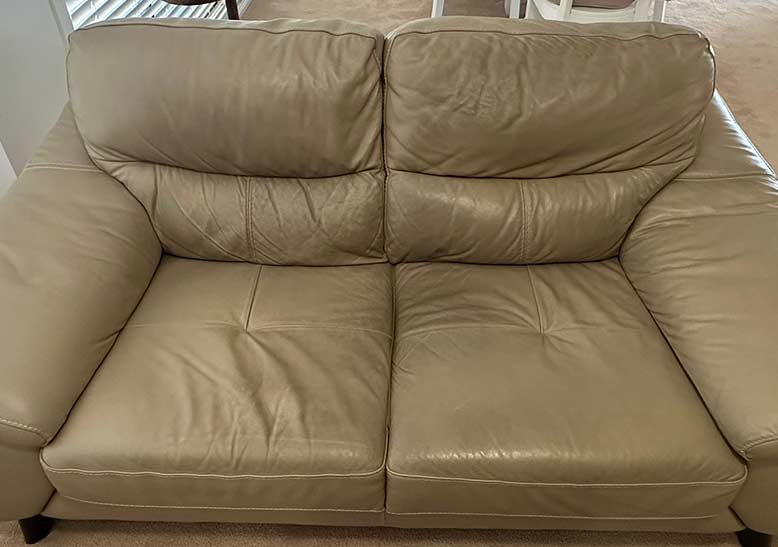
A leather couch is an investment. You chose it for its comfort, its look, and the way it ages over time. But keeping it that way takes more than just calling a professional once a year. What you do in between those deep cleans makes the biggest difference to how your leather wears.
Leather is a natural material. It breathes, it absorbs, and it responds to its environment. Without regular care, body oils, dust, and everyday grime build up in the fibres. Over time, that build-up causes the leather to dull, stiffen, and eventually crack. Professional cleaning handles the deep soil and resets the leather. But between those visits, your daily habits determine whether your couch looks better with age or worse.
This guide walks you through exactly how to care for your leather couch between professional cleanings. No guesswork. No internet myths. Just practical steps that protect your furniture.
Daily and Weekly Care
The best care routine is simple and consistent. You do not need special equipment or hours of time. A few minutes each week is enough.
Dusting and Vacuuming
Dust and dirt are abrasive. When you sit on the couch, you grind those fine particles into the leather. Over time, this wears down the finish and dulls the colour.
Use a soft, dry microfiber cloth to dust the surface once or twice a week. For a deeper clean, vacuum the couch using the soft brush attachment. Focus on the crevices where crumbs and dust collect: between the seat cushions, along the seams, and around the armrests.
Do not use a regular vacuum nozzle without a brush. The hard plastic can scratch the leather.
Wipe Spills Immediately
Leather is somewhat resistant to liquids, but it is not waterproof. If a spill sits, it can stain or soak into the leather. Keep a clean, dry cloth nearby and blot spills as soon as they happen. Do not rub. Rubbing pushes the liquid deeper into the leather.
Keep Away from Direct Sun
Sunlight is one of the fastest ways to damage leather. Ultraviolet rays break down the dye and dry out the natural oils. In as little as a few months, direct sun can cause fading, discolouration, and cracking.
Position your couch so it is not in the path of direct sunlight through a window. If that is not possible, use curtains, blinds, or UV-filtering window film during the brightest parts of the day.
Proper Cleaning Products
Not all products are safe for leather. Many common household cleaners are too harsh and will strip the protective finish. Using the wrong product can cause more damage than not cleaning at all.
What to Use
Use a dedicated pH-balanced leather cleaner. These products are formulated to lift dirt and oils without stripping the leather's natural oils or damaging the finish. They are available at most furniture stores, online, or through professional cleaning companies.
Spray the cleaner onto a soft cloth, not directly onto the couch. Gently wipe the surface in small circular motions. Then buff with a clean, dry cloth.
What to Avoid
Never use these products on leather:
- Saddle soap. It is too alkaline and leaves a sticky residue that attracts dirt.
- Olive oil or any cooking oil. These go rancid over time, causing bad odours and sticky surfaces.
- Vinegar. It is acidic and strips the leather's finish.
- Bleach or ammonia. These are far too harsh and cause permanent damage.
- Multipurpose cleaners, window cleaners, or any product not labelled as safe for leather.
- Any cleaner with alcohol, solvents, or harsh detergents.
Leather Conditioner Is Not a Cleaner
A common mistake is using conditioner to clean the couch. Conditioner restores moisture. It does not remove dirt. If you apply conditioner over a dirty surface, you trap the grime underneath. Always clean first, then condition if needed.
Conditioning
Leather contains natural oils that keep it supple. Over time, these oils evaporate, especially in dry or heated indoor environments. Conditioning replenishes those oils and prevents the leather from drying out and cracking.
How Often to Condition
Every 6 to 12 months is sufficient. Over-conditioning is a real problem. Too much product saturates the leather, clogs the pores, and leaves a greasy film that attracts dust. If the leather still feels soft and looks healthy, you can wait longer.
How to Apply Conditioner
- Clean the leather first with a pH-balanced leather cleaner and let it dry completely.
- Apply a small amount of conditioner to a soft, clean cloth.
- Rub it into the leather using circular motions, covering a small section at a time.
- Let it absorb for 10 to 15 minutes.
- Buff off any excess with a clean cloth.
What Conditioners to Use
Look for a conditioner specifically made for leather furniture. Avoid products with silicone, wax, or petroleum ingredients. These sit on the surface instead of absorbing into the leather. Quality leather conditioners typically contain lanolin, mink oil, or natural waxes in safe formulations.
Immediate Spill Management
Spills happen. The key is how quickly and correctly you respond.
The Blotting Technique
Always blot, never rub. Place a clean, absorbent cloth over the spill and press gently to lift the liquid. Repeat with a dry section of the cloth until no more liquid transfers. For stubborn spills, dampen the cloth slightly with water, blot, then dry immediately.
Common Spills
Water. Blot immediately. Wipe the area dry with a soft cloth. Water stains usually disappear as the leather dries evenly.
Wine. Blot as much as possible. Mix a small amount of pH-balanced leather cleaner with water on a cloth and blot the stain. Repeat until the stain lifts. Let the area air dry.
Coffee. Blot immediately. Use a leather cleaner on a damp cloth and gently work the stain. Do not oversaturate. For dried coffee stains, you may need a professional treatment.
Food. Scoop away solids gently. Blot any liquid or grease. Wipe with a damp cloth and mild leather cleaner. For greasy food stains, let the leather cleaner sit for a minute before wiping.
Ink. Ink is difficult to remove from leather. Blot with a cloth immediately. Do not rub, as that spreads the ink. Use a leather-safe ink remover or contact a professional. Do not use hairspray or rubbing alcohol, as these damage the finish.
Pet urine. Blot as much as possible. Clean with a diluted leather cleaner. Rinse by wiping with a damp cloth and dry thoroughly. Enzyme-based cleaners made for leather can help remove odour. Test any product on a hidden area first.
Managing Sun and Heat Exposure
Heat and light are constant threats to leather furniture.
UV Damage
UV rays break down the pigments and oils in leather. This causes fading, loss of colour depth, and eventual cracking. The damage is cumulative and irreversible without professional re-dyeing.
Positioning Furniture
If your couch is near a window, consider moving it. Even a few metres away makes a difference. If you cannot move it, use sheer curtains or blinds to filter the light during peak sun hours.
Temperature Control
Keep your couch away from direct heat sources like radiators, heaters, and fireplaces. Heat accelerates moisture loss. In summer, air conditioning can also dry out the air and the leather. Use a humidifier in dry conditions to maintain balanced humidity.
Managing Pets and Leather
Pet owners can enjoy leather furniture, but it requires a few extra precautions.
Keep Claws Trimmed
Sharp claws can scratch and puncture leather. Keep your pet's nails trimmed short. Regular grooming reduces the risk of accidental damage when your pet jumps on or off the couch.
Use Throws
Place a washable throw or blanket over the areas your pet likes to sit on. This protects the leather from claws, dirt, and oils from their coat. It is much easier to wash a throw than to repair scratched leather.
Cleaning Pet Hair
Use a rubber glove or a damp microfiber cloth to gather pet hair from leather. A vacuum with a soft brush attachment also works well. Avoid sticky rollers, as the adhesive can leave residue on the leather.
Preventing Scratches
Some scratching is inevitable. For minor surface marks, you can sometimes buff them out with your fingers or a soft cloth. The warmth and friction help the leather relax. Deeper scratches may require professional repair.
Humidity and Climate Considerations in Australia
Australia's climate varies significantly, and leather responds to each environment differently.
Humid Summers (Mould Risk)
In humid areas like Brisbane, Sydney, and the Gold Coast, leather can absorb moisture from the air. This creates a risk of mould and mildew, especially in rooms with poor airflow. To prevent this:
- Keep the room ventilated with fans or open windows.
- Use a dehumidifier in particularly damp spaces.
- Wipe the leather occasionally with a dry cloth to remove surface moisture.
- If you notice a musty smell or small spots, clean immediately with a leather-safe mould cleaner.
Dry Winters and Cold (Cracking)
In colder climates like Melbourne, Canberra, and Tasmania, indoor heating dries out the air. This accelerates moisture loss from the leather, leading to stiffness and cracking. A humidifier helps maintain healthy humidity levels. Conditioning becomes especially important during winter months.
Air Conditioning Effects
Air conditioning removes moisture from the air. If your couch is in a room with frequent air conditioner use, it will dry out faster. Move the couch away from direct air conditioner vents and condition the leather more often if needed.
Products to Use and Avoid
Choosing the right products is critical. Here is a clear reference for what is safe and what is not.
Safe Products
- pH-balanced leather cleaner
- Leather conditioner (without silicone, wax, or petroleum)
- Microfiber cloths (soft, lint-free)
- Soft brush attachment for vacuum
- Leather-safe ink remover (for emergency use)
- Enzyme-based leather cleaner (for pet accidents)
Ingredients to Avoid
- Alcohol (dries out and strips the finish)
- Ammonia (harsh and corrosive)
- Bleach (causes permanent damage and discolouration)
- Vinegar (acidic, degrades the leather finish)
- Sodium hydroxide or other strong alkalis
- Silicone (creates a plastic-like coating that traps dirt)
- Petroleum derivatives (block the leather from breathing)
- Parabens and phthalates (unnecessary chemicals)
Products That Are Not Leather Cleaners
- Baby wipes (contain alcohol and other chemicals)
- Furniture polish (designed for wood, not leather)
- Saddle soap (too alkaline, leaves residue)
- Soap-based cleaners (too harsh, strip natural oils)
- Multipurpose cleaning sprays (too aggressive)
If a product does not say "safe for leather" on the label, do not use it on your couch.
Common Mistakes That Damage Leather
Even with good intentions, some common cleaning habits cause lasting damage. Avoid these mistakes.
Using Saddle Soap
Saddle soap was designed for horse tack, not for modern leather furniture. It is highly alkaline and leaves a waxy residue that attracts dirt. Modern leather finishes are different from the raw leather used in saddles. Saddle soap can dull the finish and cause discolouration.
Over-Conditioning
More is not better. Applying conditioner too often saturates the leather and clogs its natural pores. This makes the leather feel greasy and attracts dust and dirt. Condition only when the leather feels dry, and always remove excess product.
Using Water to Clean
Water alone cannot clean leather effectively. It does not break down body oils or grease. Worse, water can soak into the leather and cause water stains or promote mould growth in humid conditions. Always use a proper leather cleaner.
Using Vinegar Solutions
Vinegar and water mixtures are a popular online DIY solution. They are not safe for leather. Vinegar is acidic enough to strip the protective finish. Over time, repeated use leaves the leather dull and vulnerable.
Using Steam Cleaners
Steam cleaners are too aggressive for leather. The high heat and moisture can warp the leather, delaminate the layers, and damage the finish. Never use a steam cleaner on a leather couch.
Using Soap-Based Cleaners
Castile soap, dish soap, and hand soap are all too harsh. They strip the natural oils from the leather and can leave a residue that causes stickiness. Stick to pH-balanced products made specifically for leather.
When to Schedule the Next Professional Clean
Professional cleaning resets your leather. It removes deeply embedded dirt, restores the finish, and addresses issues that home care cannot fix.
Timing Recommendations
For most households, professional cleaning every 12 to 18 months is ideal. If you have children, pets, or heavy daily use, schedule it every 6 to 12 months. Professional cleaning costs less than repairs or replacement.
Signs You Need a Professional Clean
- The leather looks dull or greyish, even after dusting.
- There is visible build-up in the crevices and seams.
- The leather feels sticky or tacky to the touch.
- There are stains that home cleaning cannot remove.
- The leather smells musty or has developed mould spots.
- You notice fine cracking, especially on the seat cushions and armrests.
If you see any of these signs, do not wait for your scheduled date. Book a professional clean as soon as possible to prevent further damage.
Maintenance Checklist
Use this checklist to keep your leather couch in top condition between professional cleanings.
Daily
- Blot spills immediately.
- Keep pets off or use a protective throw.
Weekly
- Dust the surface with a soft microfiber cloth.
- Vacuum the couch with a soft brush attachment.
- Wipe down any visible marks with a leather-safe cleaner.
Monthly
- Inspect the leather for signs of dryness, cracking, or discolouration.
- Clean and condition high-touch areas (armrests, headrests) if needed.
- Check for pet damage or scratches.
Every 6 to 12 Months
- Apply a leather conditioner to all surfaces.
- Rearrange cushions to distribute wear evenly.
- Assess whether professional cleaning is needed.
As Needed
- Treat stains promptly using proper techniques.
- Call a professional for ink, mould, or deep stains.
FAQ
How often should I clean my leather couch?
Dust and vacuum weekly. Use a leather cleaner every 1 to 2 months or when you notice build-up. Condition every 6 to 12 months. Schedule professional cleaning every 12 to 18 months.
Can I use baby wipes on leather?
No. Baby wipes often contain alcohol, fragrance, and other chemicals that can strip the leather finish over time.
Is vinegar safe for leather cleaning?
No. Vinegar is acidic and damages the protective finish. It can cause dullness, discolouration, and long-term deterioration.
What is the best way to remove ink from leather?
Blot immediately. Use a leather-safe ink remover. Do not use hairspray, alcohol, or household cleaners. For stubborn ink, contact a professional.
Can I use olive oil to condition my leather couch?
No. Olive oil goes rancid, causes bad smells, and attracts dust and dirt. Use a proper leather conditioner instead.
How do I stop my leather couch from cracking?
Keep it out of direct sunlight, maintain indoor humidity, condition every 6 to 12 months, and clean regularly to prevent dirt from wearing down the surface.
Is it safe to use a steam cleaner on leather?
No. Steam cleaners can warp the leather, damage the finish, and cause delamination. Use only gentle, leather-safe methods.
Does leather get damaged by air conditioning?
Yes. Air conditioning removes moisture from the air, which can dry out the leather over time. A humidifier helps maintain healthy humidity levels.
My leather couch feels sticky. What should I do?
Stickiness is usually caused by product build-up from over-conditioning or using the wrong products. Clean the leather with a pH-balanced leather cleaner and avoid applying any products until the stickiness is gone.
Can I repair scratches on my leather couch myself?
Minor surface scratches can sometimes be buffed out with your finger or a soft cloth. Deeper scratches may require professional repair.
How do I remove mould from my leather couch?
Clean with a leather-safe mould cleaner or a diluted leather cleaner. Improve airflow and use a dehumidifier. For extensive mould, call a professional.
What is the difference between leather cleaner and leather conditioner?
Cleaner removes dirt and oils. Conditioner replenishes moisture. They serve different purposes. Always clean before conditioning.
Final Thoughts
Proper maintenance between professional cleanings is the single most effective way to extend the life of your leather couch. A few minutes each week, the right products, and awareness of your environment will keep your leather looking and feeling its best for years.
If it has been a while since your last deep clean, or if your leather is showing signs of wear, book a professional cleaning. Your couch will thank you.